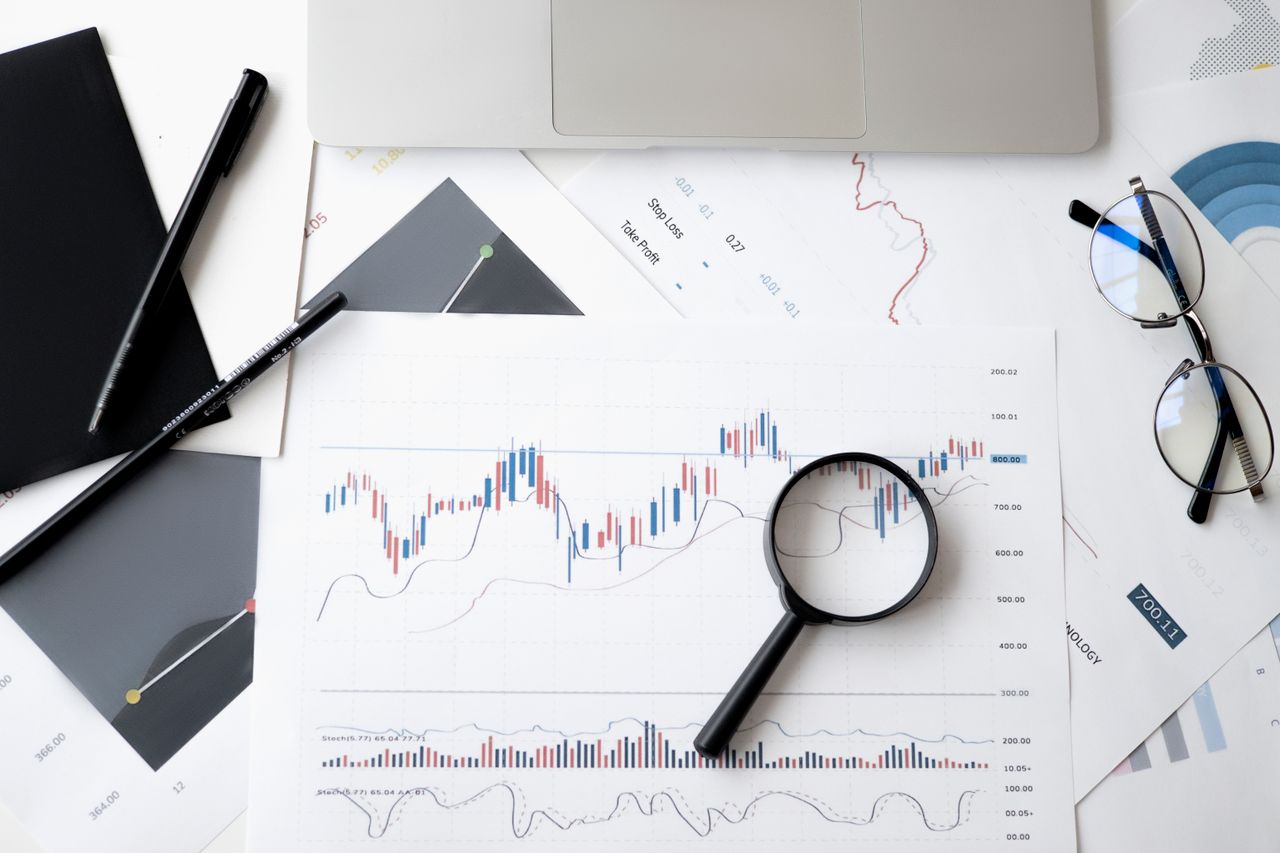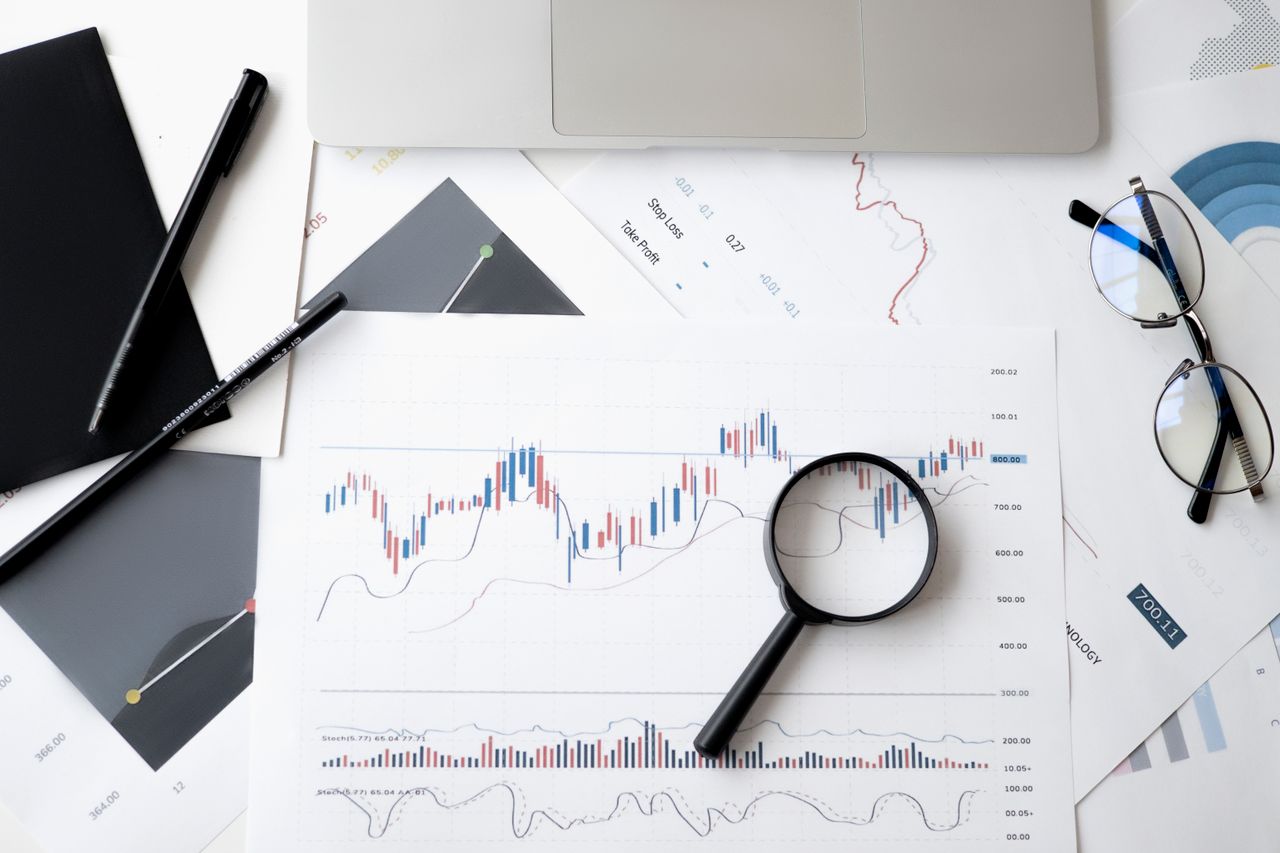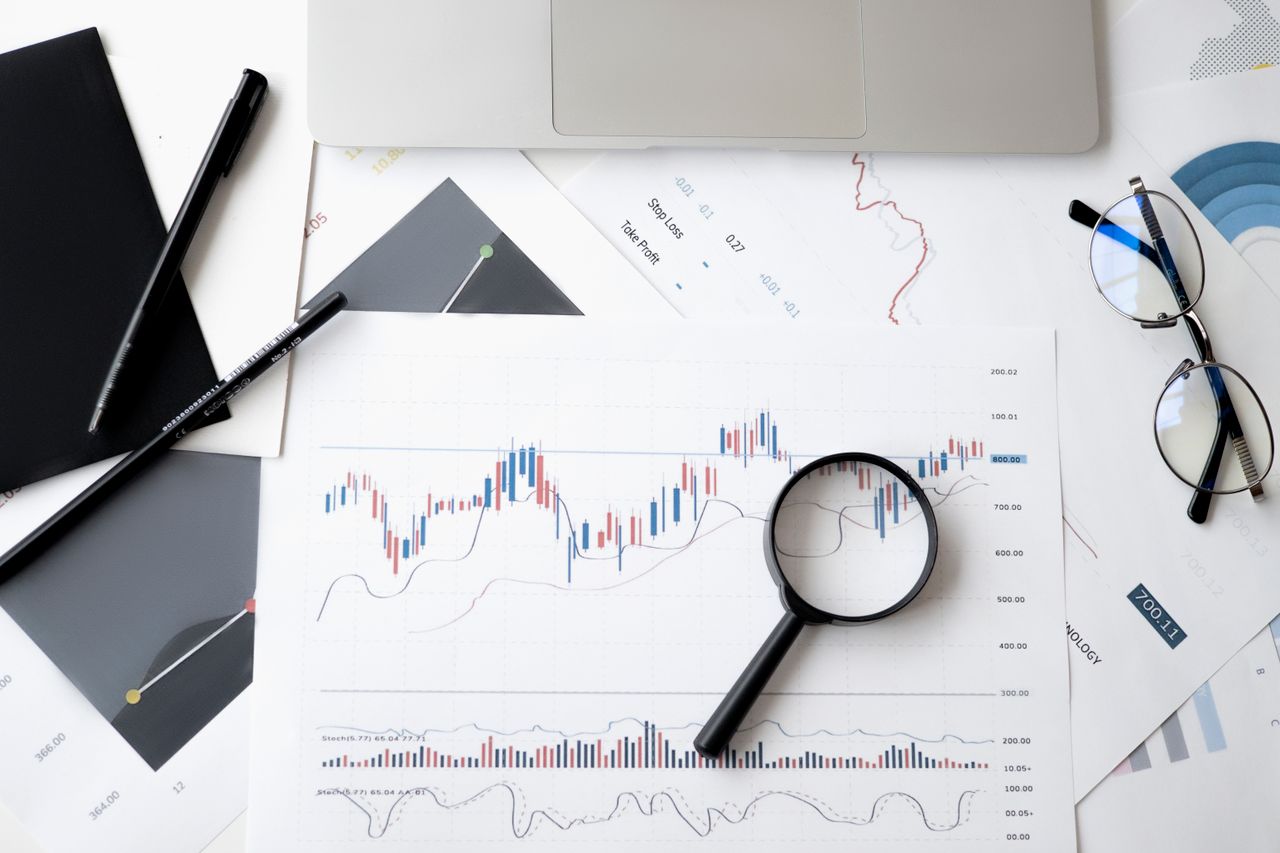
What Happens If a Stock You Own Goes Bankrupt?
Owning a stock means owning a piece of a real company, and companies sometimes fail. So what actually happens to your money if a business whose shares you hold goes bankrupt? The outcome is usually…
The Investing section of The Finance Reveal is here to turn investing from something that feels reserved for experts into something you can do with confidence. You do not need a finance degree or a large salary to build wealth over time. You need a clear grasp of a few durable ideas, the discipline to keep going, and a healthy suspicion of anyone promising quick riches. We provide the first and help with the rest. We start where real investors start: why you are investing, your time horizon, and how much risk you can genuinely live with. From there we explain the building blocks, including shares, bonds, index funds, ETFs, and how diversification spreads risk so that one bad pick does not undo your progress. We compare brokerages and account types, walk through how to make your first investment, and show how fees quietly eat returns over decades. We also cover the more human side of investing: staying calm when markets fall, ignoring hype, and understanding that time in the market usually beats trying to time the market. Where we discuss higher-risk areas, we are honest about the downside as well as the upside. Investing links naturally to your wider plan. Much of it is in service of Retirement, the money you invest often comes from disciplined Saving Money, and the accounts you use carry important Taxes implications. For the most volatile corner of the market, see our balanced Cryptocurrency coverage, and for context on what is moving, our Financial News section helps. Because returns and compounding are best understood with real numbers, our financial tools let you project growth over time, and our financial glossary defines terms like ETF, dividend, and yield. Everything here is educational, not personal advice, and it is independent of any broker or fund. Start with the guide that fits where you are, whether you are making a first investment or refining a portfolio, and let patience do the heavy lifting.
Owning a stock means owning a piece of a real company, and companies sometimes fail. So what actually happens to your money if a business whose shares you hold goes bankrupt? The outcome is usually…
You open your investing app one morning and see headlines that your brokerage is in financial trouble. A cold thought follows: if the firm holding my investments goes under, do I lose everything? It is…
Two gold chains can look identical, weigh the same, and be worth substantially different amounts. The difference is stamped somewhere on the clasp in small figures most people never examine. Understanding what those figures mean…
When someone gives you financial advice, a question worth asking before you act on it is whose interest they are legally required to serve. The answer is not always you, and the difference between the…
Savings bonds turn up in drawers, safe deposit boxes, and inherited paperwork more often than almost any other financial instrument, usually because someone was given them as a child and forgot about them. Knowing how…
Every financial decision quietly rejects an alternative. Spend money on one thing and you cannot spend it on another; commit hours to one project and those hours are gone from everything else. Economists call the…
Silver dollars and gold bullion coins sit in a lot of drawers and safes, inherited or bought years ago, and their owners often have no idea what they are actually worth. The answer depends on…
It sounds like a paradox, but some coins cost more to produce than they are worth. The penny is the classic example, and the economics of making money, literally, reveal something interesting about currency, metal…
Buying on margin means investing with borrowed money, and while it can amplify gains, it can just as easily amplify losses and cost you more than you put in. Understanding how margin works, and why…
Commodities are the raw materials that power the economy, from oil and natural gas to wheat, copper, and coffee. Some investors add them to a portfolio for diversification or as a hedge against inflation, but…