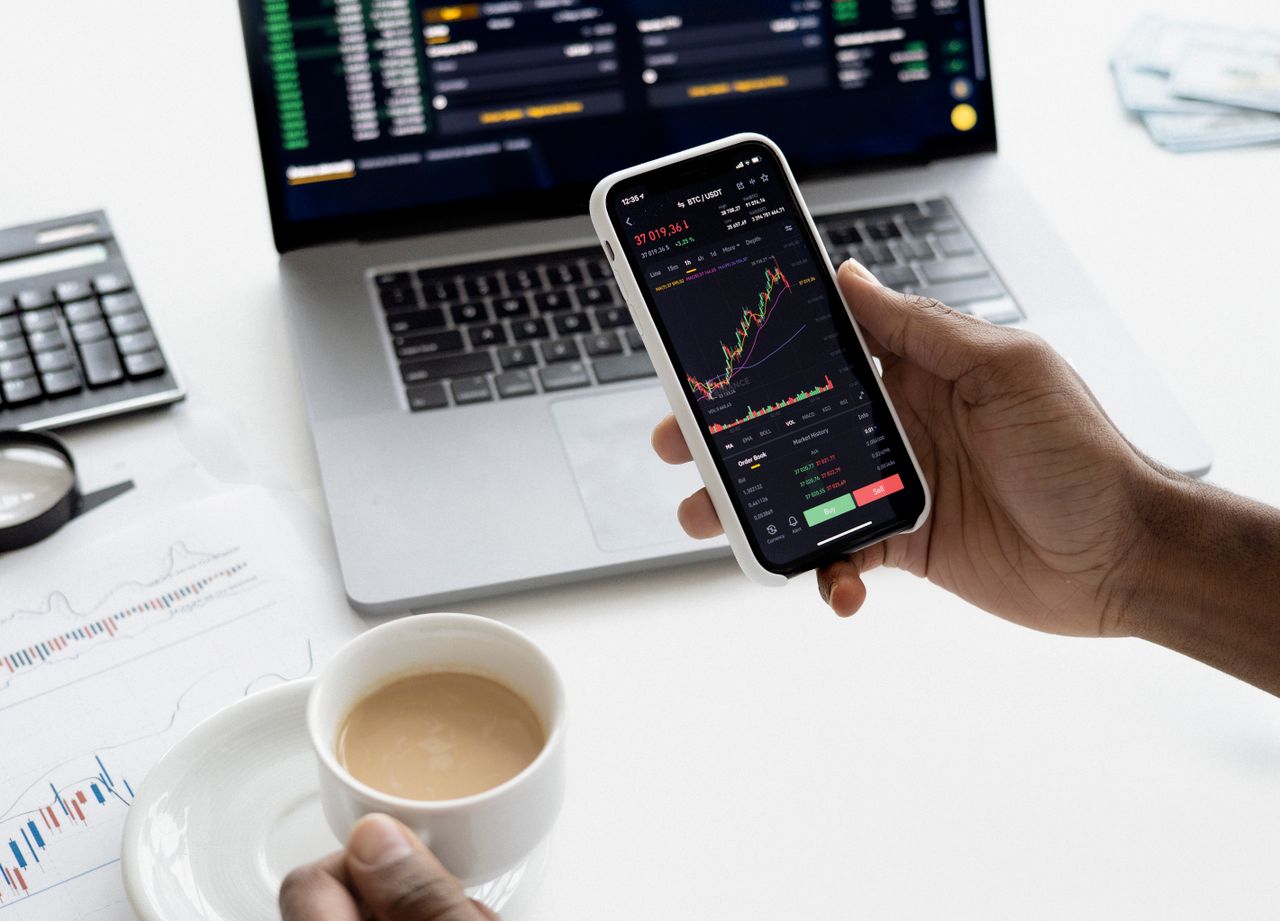
You cannot manage what you do not measure, and nowhere is that truer than with money. Many people have a rough sense of what they earn but only the vaguest idea of where it actually goes, which is exactly why their budgets never quite add up. Tracking your spending, simply knowing what you spend and on what, is the foundation everything else in personal finance is built on. This guide from The Finance Reveal explains how to track your spending, building on our guides to making a budget and plugging budget leaks in the wider Budgeting section. This is general education, not financial advice.
Why Tracking Spending Matters
Tracking your spending means recording where your money actually goes, rather than guessing. It matters because almost everyone underestimates certain categories of spending, especially small, frequent purchases and subscriptions that add up quietly over a month. Until you see the real numbers, it is nearly impossible to make an accurate budget, spot waste, or know whether your spending matches your priorities. Tracking turns vague impressions into hard facts, and those facts are what make every other money decision possible.
The insight most people gain from tracking is surprising: money tends to leak out in places they never suspected, from forgotten subscriptions to frequent small conveniences. Seeing this clearly is often the moment a budget starts to work, because you can finally direct your money on purpose. This is why tracking pairs so naturally with the hunt for small recurring costs our guide to plugging budget leaks describes, and why it is the essential first step before building the plan our guide to making a budget lays out.
Choose a Method That Fits You
There is no single correct way to track spending; the best method is the one you will actually keep up. The table below compares the common approaches.
| Method | Best for |
| Budgeting app | Automatic tracking with little daily effort |
| Spreadsheet | Full control and customization |
| Pen and paper or notes | Simplicity and staying highly aware |
| Bank statement review | A periodic look back with no daily logging |
Budgeting apps can connect to your accounts and categorize spending automatically, which suits people who want insight with minimal effort. A spreadsheet gives you complete control to set up categories exactly as you like, appealing to those who enjoy hands-on management. Writing purchases down by hand, or in a notes app, is simple and keeps you highly conscious of each expense, which can itself curb spending. And simply reviewing your bank and card statements at the end of each week or month is a low-effort way to see where your money went without logging anything in the moment. Any of these works; what matters is picking one that fits your habits so you stick with it, and pairing it with methods like the categories our guide to fixed versus variable expenses describes.
Make Tracking a Sustainable Habit
The goal of tracking is not to record numbers forever for their own sake, but to gain awareness and use it. To make it sustainable, start simple, since an overly complicated system is the fastest way to give up. Choose broad spending categories at first, such as housing, food, transport, and fun, rather than dozens of fine-grained ones, and refine only if you find it useful. Track consistently for at least a few weeks to capture a realistic picture, since a single week can be misleading.
Once you have real data, the point is to act on it. Compare where your money actually went against where you want it to go, and adjust, cutting back where spending surprised you and redirecting that money toward savings, debt, or the things you genuinely value, much as our guide to needs versus wants encourages. Many people find they do not need to track every purchase forever; a few months of careful tracking builds enough awareness that they can then check in periodically rather than daily. Tracking also feeds directly into bigger goals, giving you the clarity to fund the targets our guide to saving for a big goal describes and to build the emergency cushion our guide to building an emergency fund covers. Seen this way, tracking is not a chore but the awareness that makes every other financial goal achievable.
Frequently Asked Questions
How do I track my spending?
Choose a method you will stick with: a budgeting app that categorizes spending automatically, a spreadsheet you control, writing purchases down by hand, or simply reviewing your bank statements regularly. Record where your money goes, use broad categories at first, and track consistently for a few weeks to get a realistic picture. Then compare the results against your priorities and adjust.
Why should I track my spending?
Because almost everyone underestimates where their money goes, especially small purchases and subscriptions that add up. Tracking replaces guesswork with facts, letting you build an accurate budget, spot waste, and check whether your spending matches your priorities. It is the foundation of managing money well, since you cannot direct your money on purpose until you actually know where it is going.
What is the best way to track expenses?
The best way is whichever method you will consistently keep up. Apps offer automatic tracking with little effort, spreadsheets give full control, pen and paper keep you highly aware, and periodic statement reviews are low effort. Each works well for different people. Rather than seeking a perfect system, choose one that fits your habits so tracking becomes sustainable rather than something you abandon.
How long should I track my spending?
Track consistently for at least a few weeks, and ideally a month or more, to capture a realistic picture, since a single week can be misleading. Many people find that a few months of careful tracking builds enough awareness that they can then check in periodically rather than logging every purchase forever. The aim is lasting awareness, not endless record-keeping for its own sake.
The Bottom Line
Tracking your spending is the quiet foundation of every other money skill, because you cannot budget, cut waste, or align your spending with your priorities until you actually know where your money goes. Most people underestimate certain categories, particularly small frequent purchases and forgotten subscriptions, and tracking replaces those vague impressions with hard facts that finally let you take control. The method matters less than your consistency, so choose whatever fits your habits, whether a budgeting app that categorizes automatically, a spreadsheet you fully control, purchases written down by hand, or a regular review of your statements. Keep it sustainable by starting with broad categories, tracking steadily for at least a few weeks, and then acting on what you learn: cutting back where spending surprised you and redirecting that money toward savings, debt, or the things you truly value. Many people find they do not need to track forever; a few focused months build enough awareness to sustain good habits with only occasional check-ins. Do this, and tracking stops being a chore and becomes the clarity that makes every financial goal, from an emergency fund to a big purchase, genuinely achievable. For more, see our guides to making a budget, plugging budget leaks, and building an emergency fund, and explore the full Budgeting section. This article is general information, not personalized financial advice.
Related Posts